
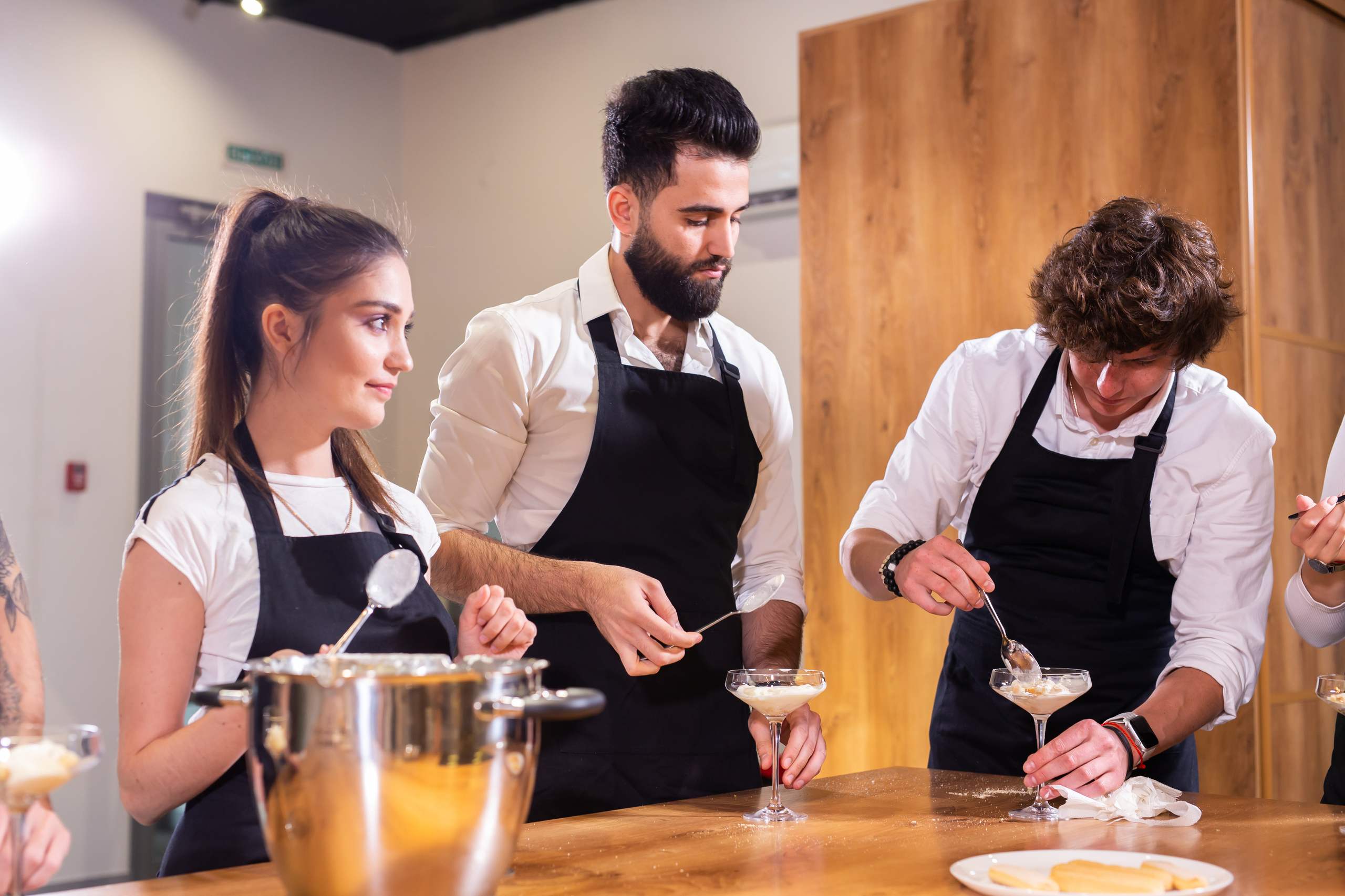
No memorable meal happens by chance. It is engineered through flavor, setting, pacing, and the emotional footprint it leaves behind. In today’s gastronomic landscape, a restaurant’s or event’s success is gauged not solely by the taste of its offerings, but by how guests recall the totality of the experience.
Beyond the Plate
Going out to eat is no longer a necessity, it’s an experience, and people seek experiences that carry some meaning.
This change of paradigm has altered the way culinary artists approach their craft. They don’t just create dishes anymore; they curate experiences.
Anatomy of a Culinary Experience
Every great concept has a framework. A successful dining setup requires the following:
- A distinct narrative or concept that defines the menu
- An established course order
- A harmonious play on taste profiles and textures
- A relationship between the food and the venue
When all these components are working, a cohesive, intentional outcome emerges.
Emotionality as a Key Element of Gastronomy
Emotional design is essential for gastronomy as well. Through food we can experience memories, surprise, comfort and inspiration.
Chefs are using flavor combinations, plating style and timing to influence our feelings throughout the meal. That emotional layer is the ingredient that transforms good food into unforgettable experiences.
The Modern Food Creator
Food creators nowadays are more than just chefs; they are creators of experiences. They need to be creative, thoughtful, perceptive.
That includes thinking through customer paths through a physical space, course delivery methods and how each individual course can make the larger meal feel greater.
Conclusion
Dining is a process. In a case where design, taste and emotion intersect in this particular order, the result can turn food into more than fuel for the body, it can become an indelible meal to which we return again and again.