
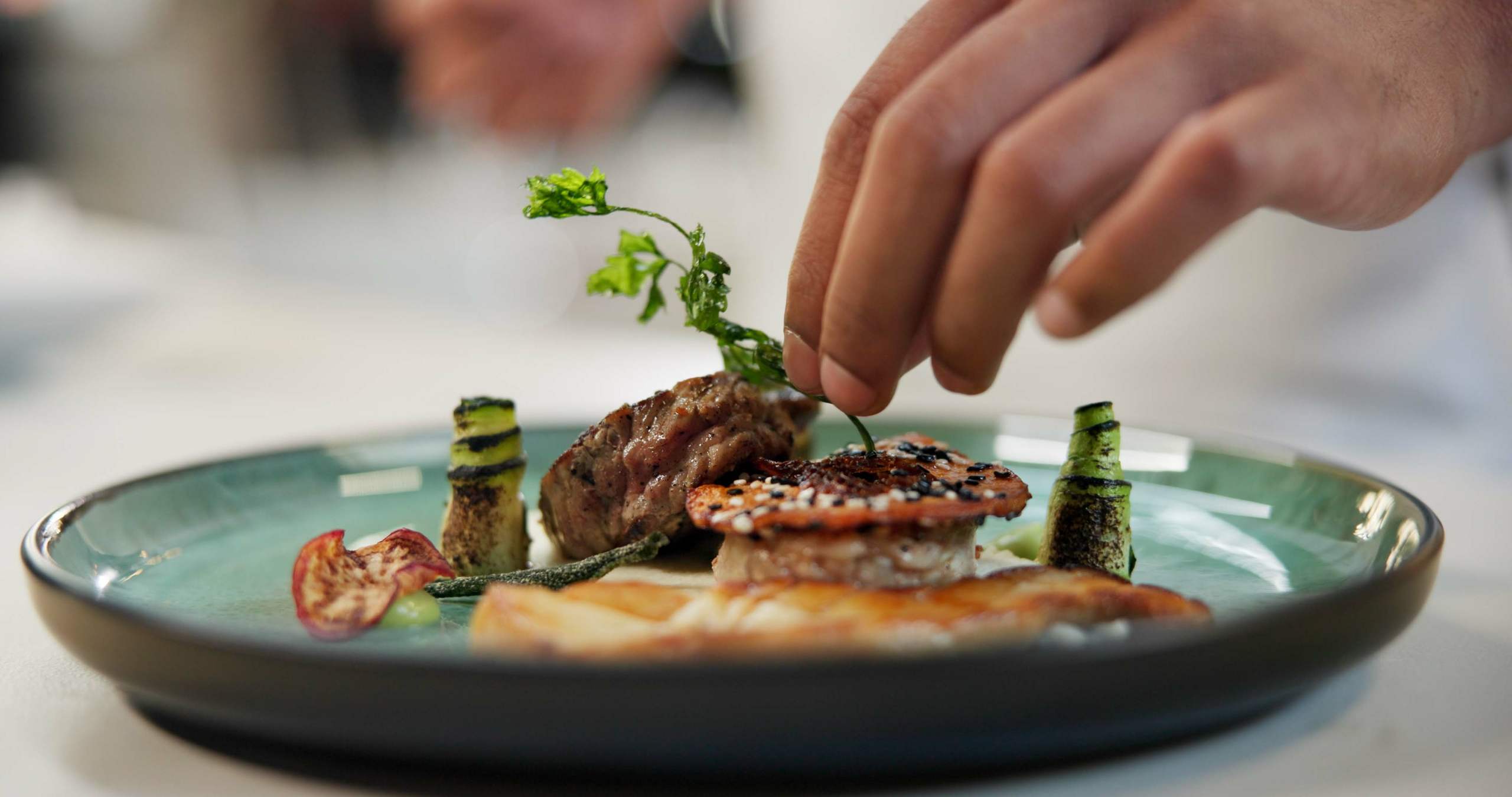
Food has been the basic need of the human being since its existence, but in contemporary gastronomy, it has taken on a new dimension. Today, a dish is no longer just consumed, it is a unique experience. The plates are created with creativity, technique and the story behind every bite.
Gastronomy, beyond cooking
Cooking is part of gastronomy, but it doesn’t include it entirely. It is not the same thing to cook as to create. A gastronomic dish includes the way the food affects our emotions, the memory of a smell, and the way the palate appreciates everything that is going through our mouths. It is no longer about cooking a recipe, but creating a dish and knowing its components and how it will affect us. This implies that a creator or chef today needs to focus on a combination of all factors: ingredients, texture, taste, presentation, story and design.
Creative creativity in gastronomy
Creativity is at the heart of gastronomic art. It is what allows you to go from a simple dish to a memorable and original experience. It includes using ingredients and techniques you have never tried, combining unexpected flavors or textures, and making a dish not just for taste, but for an emotional impact. Creative ideas also include playing with the presentation of a dish in such a way that its visual appearance is just as important as the taste and smell. In other words, gastronomy becomes an art studio where you experiment and innovate.
Design, not just taste
The importance of a meal’s presentation, its design, is crucial. A person always eats with their eyes first, visual presentation is the first thing a person notices. Design and visual composition of the dish can completely change how a dish is perceived. The way a dish is plated, the use of color, the type of tableware chosen, and even how food is cut can change the diner’s expectation and perception of the dish. A simple ingredient can be transformed into something exceptional with the right design.
The story of gastronomic menus
Gastronomic art also lies in the concept of menus. A modern menu is not just a list of dishes on a restaurant’s service offering; it is a gastronomic journey, a story with chapters. A good menu is designed to lead diners through different sensations, flavors and textures, creating an emotional experience that is structured and curated. This turns every meal into more than just an eating experience, it becomes a unique and memorable journey.
The gastronomic art of the future
With the rise of new techniques, technologies and gastronomic trends, the boundaries of gastronomic art are expanding. The combination of gastronomy with design, art, psychology, technology and culture creates new challenges and possibilities. The new gastronomic trends focus on more experimental and creative concepts, such as immersive dining, digital gastronomy or new forms of expression that turn the table into an art gallery. For chefs and creators that are willing to embrace these new trends, the future offers a wealth of opportunities to explore food not just as a craft, but as an art form.
Conclusions
Gastronomy is where taste and art meet. It is a language that communicates and connects. Understanding how gastronomy is an art that goes beyond the act of cooking allows chefs and designers to create more complete and meaningful dining experiences.